
10 ways to boost endometrial lining and improve fertility
Medically reviewed by Dr. Julee Miller, DAcCHM, AP, FABORM on
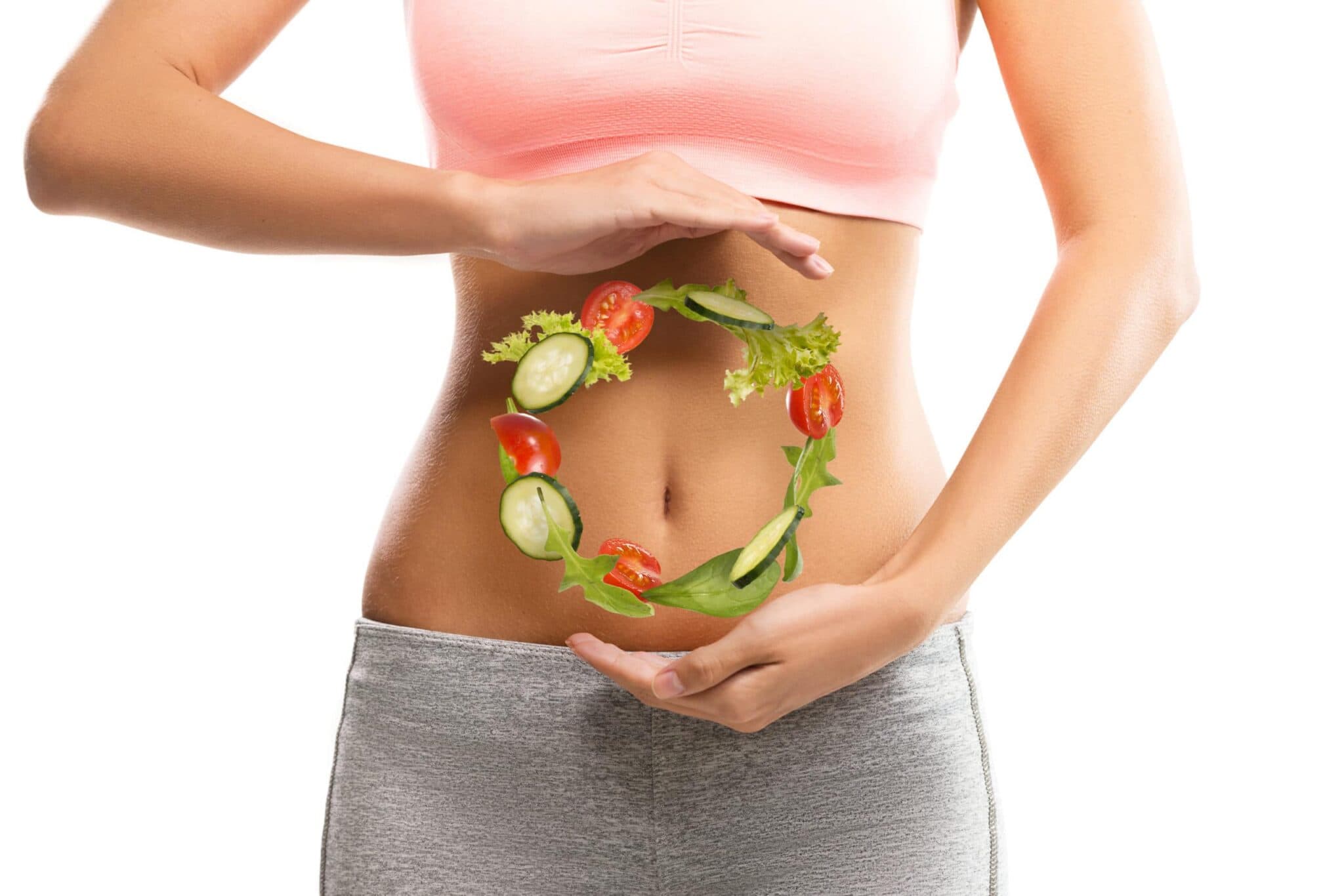
If you are looking to grow your family, here are key aspects to improving your fertility.
Having healthy uterine lining is essential to your fertility. It is where the embryo implants at the start of a pregnancy, and is what nourishes the growth and development of your baby throughout your pregnancy! The thickness and quality of your endometrium plays a big part in the success of your fertility, whether natural conception or with IVF, as well as the ability to carry your baby to term. An overly thin uterine lining will not be able to sustain embryo implantation or provide the key nutrients necessary for proper development.What does a "healthy uterine lining" look like?
The endometrium is a layer of the uterus that thickens in preparation of implantation of a fertilized embryo. It is the same layer that is shed during menstruation, if you haven't conceived. Estrogen is responsible for creating a thick, lush and blood-rich endometrium. If estrogen levels are too low, or blood flow inadequate then the lining will remain thin.- 8-12mm thick at mid-cycle, measured by an ultrasound
- Evenly distributed
- Good blood flow
- Promotes implantation
- Supports a healthy pregnancy
If you are unsure of the health of your uterine lining, here are some common symptoms associated with having a thin uterine lining:
- Painful periods
- Scanty periods
- Clots in menstrual blood
- Thin lining as measured by an ultrasound
- Poor implantation of embryos
- Recurring pregnancy loss
- Pregnancy complications
What causes thin uterine lining?
There are several factors that may lead to a thin uterine lining:- Structural abnormalities, such as uterine fibroids and scar tissue prohibit natural blood flow
- Stress causes insufficient blood flow
- Nutritional deficiencies such as lack of iron, or simply not getting enough nutrient dense foods in your daily life.
- Reduced estrogen levels either naturally or due to prolonged BCP use
- Excessive Clomid use. Clomid is a prescription medication used to stimulate ovulation. However, it also blocks estrogen receptors which affects how much estrogen can reach the uterus to build the endometrium. Use of Clomid for longer than 6 months can cause thinning of the lining.
Here are some key strategies that may be helpful for you if you are struggling with conception:
- Acupuncture: Fertility Acupuncture is used to improve follicular growth, increase blood flow to the uterus and ovaries thereby supporting proper uterine lining and egg maturation, as well as embryo implantation and is supported by loads of research. Multiple studies have shown a statistically significant increase in pregnancy rates with acupuncture before embryo transfer and the day of transfer. In another study, acupuncture was shown to improve the poor receptive state of the endometrium by promoting LIF and IL-12 secretions to improve blastocyst implantation.
- Stress reduction: Having reduced stress levels, keeps the uterine artery open and flowing. The more stress you experience (or respond to) the tighter everything becomes. Relax, try meditation, do some yoga and deep abdominal breathing daily.
- Vitamin E: A 2017 study showed that 12 weeks of lose-dose vitamin E supplementation in women with poor implantation rates increased endometrial thickness by 2mm and decreased inflammatory cytokines. While some foods are rich in Vitamin E (avocados, nuts, and seeds), women with thin endometrial linings benefit most from 500-700 mg daily supplementation
- L Arginine: A pilot study in 2010 used high dose L- arginine to increase endometrial thickness and pelvic blood flow. Foods heavy in L-arginine are red meats, fish, soy, whole grains, beans, and dairy
- CoQ10: This antioxidant can help reduce oxidative stress in the tissues, which has great benefits for the endometrium as well as growing healthy follicles.
- Rest: Sleeping has a direct effect on reproductive hormones and causes them to be properly balanced. Getting enough sleep can improve endometrial thickness. You need at least 7 hours of sleep a day to allow your body to recover and promote the optimal growth of tissue.
- Exercise: 30 minutes regular exercise is recommended to improve endometrial thickness because it improves blood circulation and increases blood supply to the uterus
- Castor Oil packs: applied to the abdomen only during the follicular phase (cycle days 5-14) helps increase blood flow to the ovaries and womb
- Keep your body warm: this improves healthy blood flow which boosts the uterine lining. In addition to exercising, consuming warm foods and beverages also helps to keep your body warm. Avoiding all "iced" drinks (tea, coffee, water) and minimizing cold raw foods is important when trying to conceive. And keep those feet covered too, especially in the winter months!
- Proper nutrition: According to Chinese medicine, the food you eat can help or hinder blood flow to the uterus and reproductive organs. You should be eating food rich in iron that nourish the blood. These include beets, spinach, beans, organic grass-finished red meat, pumpkin seeds, molasses, and asparagus. Also, make sure to also include foods that help the absorption of iron, such as oranges, strawberries, broccoli, tomatoes, and green pepper. Consume more blood-invigorating foods during your period such as fish, ginger, cinnamon, and turmeric.
What Is a Normal Endometrial Lining Thickness?
Your uterine lining is not one fixed number. It grows and sheds across your cycle, so what counts as "normal" depends on where you are in that cycle. Estrogen drives most of this growth in the first half of the cycle, which is why a healthy estrogen level and good blood flow both matter so much.| Cycle phase | Typical thickness | What is happening |
|---|---|---|
| Menstruation (days 1 to 5) | About 1 to 4 mm | The lining sheds, then begins to rebuild. |
| Early follicular (days 6 to 9) | About 5 to 7 mm | Estrogen rises and the lining starts to thicken. |
| Late follicular / around ovulation (days 10 to 14) | About 7 to 11 mm | The lining peaks and often shows a layered "triple-line" pattern. |
| Luteal phase (days 15 to 28) | About 7 to 16 mm | Progesterone matures the lining to prepare for implantation. |
How Long Does It Take to Thicken Your Uterine Lining?
It is a common question, and the honest answer helps set expectations. Your lining rebuilds over the course of a cycle, not in a day or two. Most of the thickening happens across the follicular phase, which is roughly the two weeks between your period and ovulation. That means the diet, supplement, sleep, and blood-flow habits below work best when you give them a full cycle or more to take effect, rather than expecting an overnight change. If you have an embryo transfer or ovulation window coming up, the weeks leading into it are where these habits do the most good.Best Foods to Support a Healthy Uterine Lining
Food supports the lining in two main ways: by nourishing the blood that feeds it, and by supporting healthy estrogen and circulation. Aim for variety across these groups rather than any single "miracle" food.- Iron and blood-building foods: beets, spinach, grass-finished red meat, pumpkin seeds, lentils, and blackstrap molasses.
- Vitamin C to help you absorb iron: oranges, strawberries, broccoli, tomatoes, and bell peppers, eaten alongside iron-rich foods.
- Omega-3 fats for blood flow: salmon and other oily fish, flaxseed, and walnuts.
- L-arginine foods that support uterine blood flow: fish, poultry, beans, whole grains, and dairy.
- Antioxidant-rich foods: berries, turmeric, and green tea, which help reduce oxidative stress in the tissue.
- Warming foods, following Chinese medicine: ginger, cinnamon, and cooked rather than raw meals, while limiting iced drinks.
Supplements That May Support Endometrial Thickness
Several supplements appear in the research and in fertility practice. Talk with your provider before starting any of them, especially if you are taking fertility medication.- Vitamin E: studied for improving lining thickness and reducing inflammation in women with poor implantation.
- L-arginine: an amino acid studied for increasing uterine and endometrial blood flow.
- CoQ10: an antioxidant that supports egg quality and healthy tissue.
- Vitamin D and omega-3: support overall reproductive and hormonal health, and are worth checking with your provider.
Thin Uterine Lining, IVF, and Embryo Transfer
If you are preparing for IVF, your lining is measured carefully before transfer. Most clinics look for a lining that has reached a healthy thickness and shows a receptive pattern before proceeding, because the lining is where the embryo implants and draws its early nourishment. A thinner-than-ideal lining does not automatically rule out pregnancy. Many people conceive with linings on the thinner side, and there are ways to support improvement over the cycles leading up to a transfer, from blood-flow and nutrition habits to acupuncture. If you are working through this, our fertility acupuncture team can help you prepare in the weeks before a transfer. Learn more about fertility acupuncture at Health Pointe Jacksonville.Frequently Asked Questions
How thick should my uterine lining be to get pregnant?
Many fertility specialists look for at least 7 to 8 mm, with about 8 to 12 mm often considered ideal for implantation. A layered, triple-line pattern on ultrasound is another positive sign. Your provider will interpret your numbers in the context of your full cycle.
What hormone makes the endometrial lining thicken?
Estrogen is the main hormone that builds a thick, blood-rich lining in the first half of your cycle. Progesterone then matures that lining after ovulation to prepare it for implantation.
How long does it take to thicken uterine lining?
The lining rebuilds over a full cycle, with most growth happening across the roughly two-week follicular phase. There is no reliable way to thicken it in 48 hours, so give diet, supplement, and blood-flow habits at least a cycle to work.
Can you get pregnant with a thin uterine lining?
Yes, pregnancy is still possible with a thinner lining, though a healthier thickness generally supports implantation better. Many people improve their lining over several cycles with the right support, and your provider can guide the plan.
What foods help thicken the uterine lining?
Focus on iron and blood-building foods, vitamin C to aid iron absorption, omega-3 fats, L-arginine foods, and antioxidant-rich choices. Warming, cooked meals are favored in Chinese medicine over iced drinks and raw foods.
Does stress affect the uterine lining?
Yes. Ongoing stress can tighten blood vessels and reduce blood flow to the uterus, which works against a healthy lining. Relaxation practices such as breathing, meditation, gentle yoga, and acupuncture can help.
Can acupuncture help thicken my lining?
We see it help our patients on a daily basis! Research suggests acupuncture can improve blood flow to the uterus and support endometrial thickness, which is why it is often used alongside fertility treatment. It is one of the core services offered at Health Pointe Jacksonville.