
PCOS Has a New Name: Meet PMOS — And Why It Matters for Your Health
Medically reviewed by Dr. Julee Miller, DAcCHM, AP, FABORM on
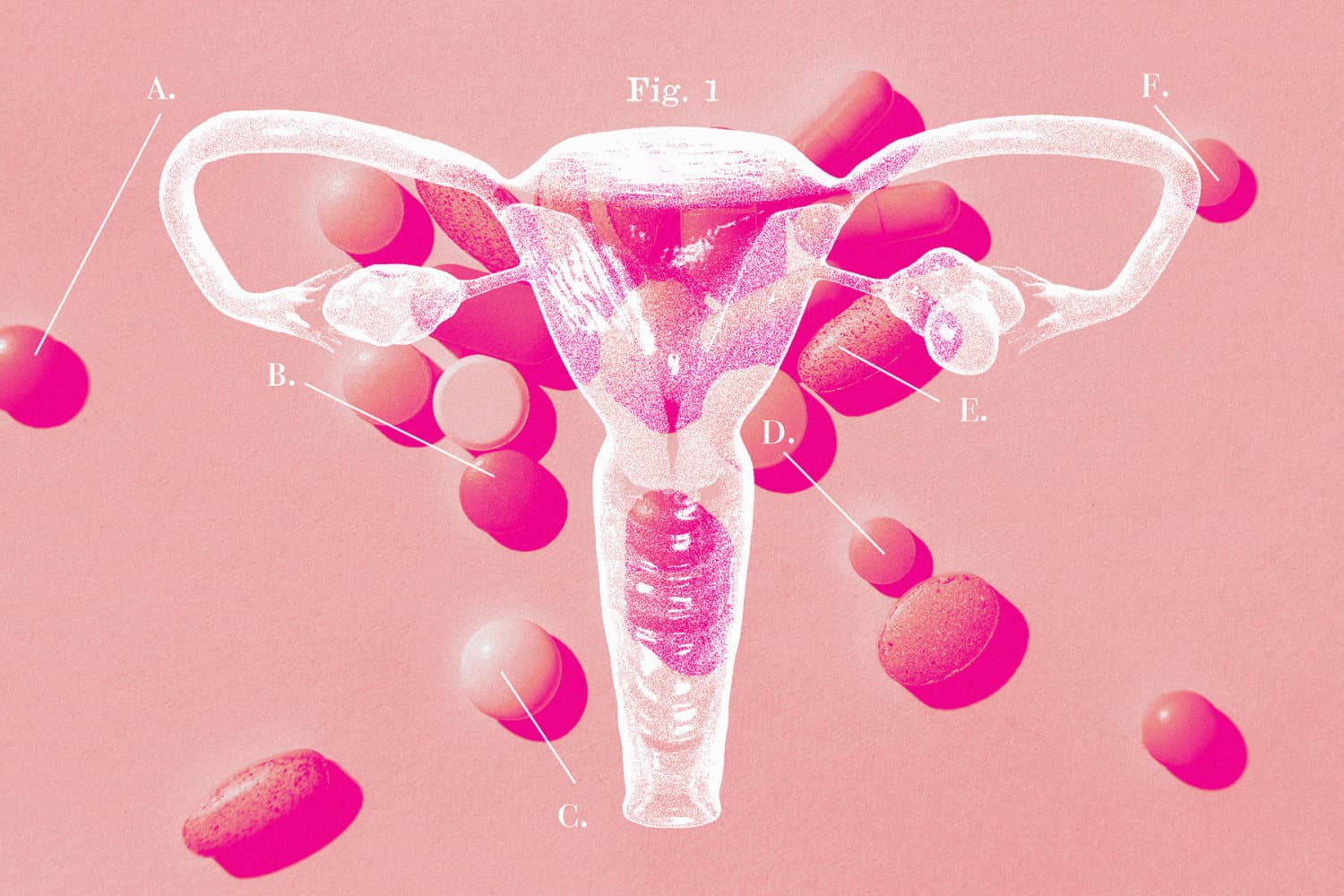
September is PCOS Awareness Month. But this year, we have something pretty important to talk about: PCOS has a new name.
Meet PMOS: Polyendocrine Metabolic Ovarian Syndrome.
And frankly? We think the new name tells a much better story.
For years, women have heard “polycystic ovary syndrome” and understandably assumed the condition was primarily about cysts on their ovaries.
Except many women with PCOS don’t actually have ovarian cysts.
And this condition has never been just about the ovaries.
In May 2026, an international group of experts officially renamed PCOS Polyendocrine Metabolic Ovarian Syndrome (PMOS) to better represent what is actually happening: a complex, lifelong condition involving multiple hormones, metabolism and ovarian function.
That distinction matters — especially for the women we see every day at Health Pointe Jacksonville.
We hear versions of this story ALL the time.
A woman comes into our clinic because she and her partner have been trying to conceive.
Maybe her cycles have always been a little unpredictable.
Maybe she’s been told, “That’s just your normal.”
She struggled with acne well past her teenage years. She has a few stubborn chin hairs that seem to have multiplied somewhere around age 30. Losing weight seems considerably harder for her than it does for everyone else — even when she’s doing “all the right things.”
Maybe she goes 35, 45 or 60+ days between periods.
Or perhaps she gets a period fairly regularly and never suspected anything was wrong.
Then she decides she’s ready to have a baby.
Suddenly, after years of seemingly unrelated symptoms, someone finally says:
“Have you ever been evaluated for PCOS?”
And the pieces begin falling into place.
This is one reason PMOS can be so frustrating to diagnose. It doesn’t look exactly the same in every woman, and you don’t need to have every classic symptom — or even “polycystic” ovaries — to have it.
In fact, an estimated 10–13% of reproductive-aged women are affected, and up to 70% worldwide may not know they have it.
That’s a LOT of women walking around thinking their symptoms are simply things they have to live with.
PMOS is NOT just a fertility diagnosis.
This may be the biggest misconception we want to change.
Women often learn about PMOS because they’re having difficulty getting pregnant. PMOS is a leading cause of infertility because it can interfere with normal ovulation.
But fertility is only one chapter of this story.
PMOS is a chronic hormonal and metabolic condition.
Insulin resistance, blood-sugar regulation, androgen levels, cholesterol, cardiovascular risk and metabolic health can all be part of the picture. Women with PMOS have increased long-term risks for conditions including insulin resistance and type 2 diabetes.
Which means we don’t want women to think:
“I’m done having babies, so I don’t need to worry about my PCOS anymore.”
Nope.
Your ovaries may have gotten PMOS into the conversation. Your whole-body health is why it deserves to stay there.
So, what might PMOS look like BEFORE someone gives it a name?
It can be surprisingly subtle.
You might notice:
- Periods that don’t come every month — or cycles that are consistently long
- Difficulty determining whether you’re actually ovulating
- Acne that persists into adulthood
- Increased facial or body hair
- Thinning hair on the scalp
- Weight gain or difficulty losing weight despite your efforts
- Darkened skin patches
- Blood-sugar or insulin concerns
- Difficulty conceiving
- Recurrent pregnancy loss
- A family history of PMOS or type 2 diabetes
And here’s another important point:
PMOS isn’t diagnosed by simply finding “cysts” on an ultrasound.
Diagnosis requires looking at the larger clinical picture and ruling out other conditions that can cause similar symptoms.
That’s why getting the right diagnosis can sometimes feel like detective work.
What can you start doing NOW?
One thing we emphasize with our HPJ patients is that PMOS management doesn’t have to begin with an enormous, impossible lifestyle overhaul.
Small habits practiced consistently matter.
Start with the basics: prioritize protein and fiber at meals, reduce highly refined carbohydrates and added sugars, incorporate resistance training and regular movement, protect your sleep, manage chronic stress and avoid spending your entire day sitting whenever possible.
And please don’t interpret “lifestyle changes” as “you just need to lose weight.”
PMOS occurs across body sizes, and healthy lifestyle habits have benefits even when the number on the scale doesn’t change dramatically.
Think metabolic health, not punishment.
Where does acupuncture fit?
This is where our approach at Health Pointe becomes very individualized.
When someone comes to us with PMOS, we’re not simply asking:
“Are you trying to get pregnant?”
We’re asking:
How long are your cycles?
Are you ovulating?
What are your periods like?
How is your sleep?
Your stress?
Your digestion?
Your energy?
What do your labs show?
Are there signs of insulin resistance?
What medications or supplements are you already using?
Are you preparing for pregnancy naturally, undergoing IUI or IVF — or are babies nowhere on your radar right now?
Because you are more than your ovaries.
Acupuncture and Traditional Chinese Medicine can be incorporated alongside conventional medical care as part of a long-term wellness strategy. Depending on the individual, our goals may include supporting menstrual and ovulatory regularity, stress regulation, sleep, overall metabolic health and reproductive wellness.
For our fertility patients, acupuncture may also become one piece of a much larger fertility plan — whether they’re trying naturally or working with a reproductive endocrinologist.
But we don’t want women to discover acupuncture when they’re 35 and desperately trying to conceive, only to abandon everything they’ve learned about their bodies once pregnancy is achieved.
PMOS deserves care beyond fertility.
Maybe the new name will finally help us see the bigger picture.
We actually love that Metabolic is right there in the middle of PMOS.
Because for too long, this condition has been reduced to periods, ovaries, cysts and pregnancy.
The new name reminds us that PMOS involves interconnected endocrine, metabolic and ovarian health — and that women deserve care that recognizes all of it.
So this September, we’re not just raising awareness about a new acronym.
We’re hoping more women recognize themselves in the conversation.
Maybe you’ve always wondered why your cycles are 45 days long.
Maybe you’ve battled acne and unwanted facial hair for years.
Maybe getting your weight or blood sugar to respond feels harder than it “should.”
Maybe you’ve been trying to conceive and something just isn’t adding up.
Or maybe someone told you years ago that you “might have PCOS,” and nobody ever explained what that could mean for your health beyond having babies.
It’s worth another conversation.
And if PMOS is part of your story, we’re here to help you understand your body, advocate for the appropriate medical evaluation and build supportive care that makes sense for the long haul.
Because this was never just a fertility condition.
And it was never just about your ovaries.
— Dr. Julee + HPJ Team
Health Pointe Jacksonville Acupuncture + Wellness Clinic