

Let’s Talk About the Foundation of Your Health
You know what they say… your pelvic floor is holding more than just your bladder. 💪
And in August, we’re shining a spotlight on one of the most under-discussed, misunderstood, and essential parts of your body: your pelvic floor.
Pelvic Floor Dysfunction (PFD) affects millions of people—and yet, it often flies under the radar. Why? Because so many symptoms are dismissed as “normal,” “just aging,” or “something women just live with.” We’re here to say: no more.
Over 33% of women and 16% of men are currently experiencing pelvic pain or dysfunction—and yet most have never been told what’s really going on.
Let’s be clear: that is not normal.
When it comes down to it, Pelvic Health is one of the most poorly understood—and therefore poorly managed—areas of medicine. But I’m here to change that.
To truly understand pelvic health, we must start by understanding the pelvic floor and the vital role it plays in our daily function, comfort, and even our emotional wellbeing.
What Is the Pelvic Floor?
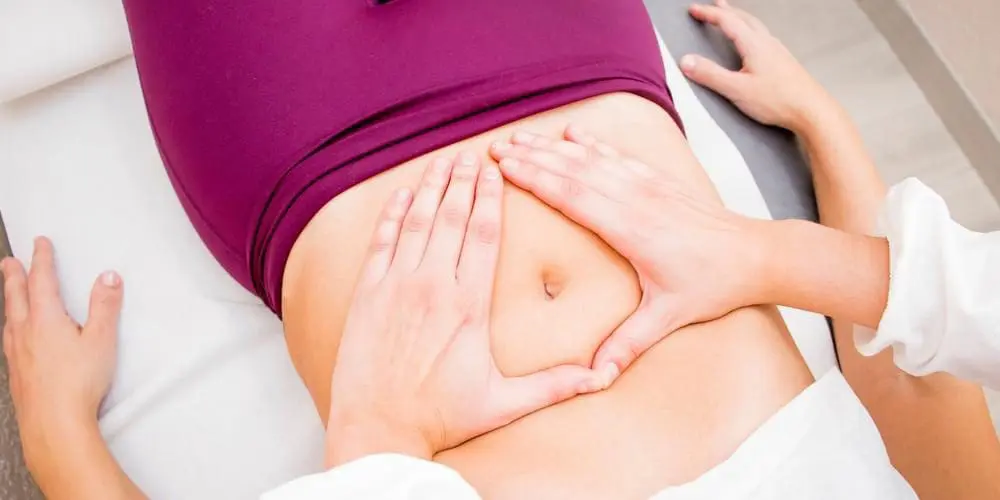
Simply put: your pelvic floor is part of your core system. It’s involved in nearly everything—and when it’s out of balance, so is your body.
The pelvic floor is a group of muscles, ligaments, and tendons that form a kind of hammock or basket at the base of the pelvis. These muscles connect to the bones of the pelvis and help support the bladder, uterus, and bowels—keeping your abdominal organs in healthy alignment. These muscles play a vital role in:
- Supporting your bladder, rectum, and reproductive organs
- Managing urination and bowel movements
- Providing stability for your spine and hips
- Supporting healthy sexual function
- Coordinating with your core for posture and balance
When these muscles are too weak, too tight, or not coordinating properly, we call it Pelvic Floor Dysfunction—and the ripple effects can be widespread.
Is Your Pelvic Floor Trying to Tell You Something?
Pelvic floor issues don’t just affect postpartum women or older adults. They can affect anyone—at any stage of life.
If you’re experiencing any of these symptoms, your pelvic floor might need some love:
✨ Leaking when you cough, laugh, or jump
✨ Feeling heaviness or pressure “down there”
✨ Pain with intimacy or vaginal exams
✨ Constipation or straining to go
✨ Ongoing hip, low back, or tailbone pain
And yet… so many of these symptoms are brushed aside, or misdiagnosed. That’s why awareness is key—because knowledge = power (and prevention).
How Acupuncture Can Help
Here at Health Pointe Jacksonville, we’ve helped hundreds of women (and men!) find relief through our pelvic floor acupuncture program. We address not just the symptoms—but the nervous system, fascia, and energy patterns that keep the pelvic floor locked in dysfunction.
Acupuncture can help with:
- Painful periods and endometriosis-related discomfort
- Incontinence or overactive bladder
- Constipation and pelvic congestion
- Pain with intimacy
- Postpartum recovery
- Core coordination + nervous system regulation
We also work closely with other professionals when needed—such as pelvic floor physical therapists, OB-GYNs, or colorectal specialists—to make sure your care is comprehensive and collaborative.
Step Into Your Strength
Your pelvic floor isn’t just a set of muscles—it’s a foundation of support, pleasure, stability, and strength. Pelvic health is directly linked to your overall quality of life.
This August, let’s finally give pelvic health the attention it deserves.
If you’ve been feeling unheard or unsure of where to turn, know this: you’re not alone, and help is available. Whether you’re 6 weeks postpartum or 20 years into your menopause journey, it’s never too late to heal.
We’re here when you’re ready.
Let’s get you back to feeling strong, supported, and connected.
📍Jacksonville, FL
💻 hpjax.com
📞 Call us at (904) 448-0046
🔗 Book a Consultation Today »
💡 Bonus Resources:
- 📝 May is Pelvic Health Awareness Month – What You Need to Know
- 🧠 Revolutionizing Pelvic Health: Introducing Our New Specialty Program